
Synthetic paint brushes have become essential tools across construction, furniture finishing, automotive painting, artwork creation, and household renovation. Compared with traditional natural bristle brushes, synthetic options offer improved durability, easier cleaning, moisture resistance, and excellent compatibility with modern water-based coatings. This article explains everything buyers need to know, including brush types, material structures, performance advantages, maintenance strategies, common mistakes, and how to choose high-quality brushes for professional results.
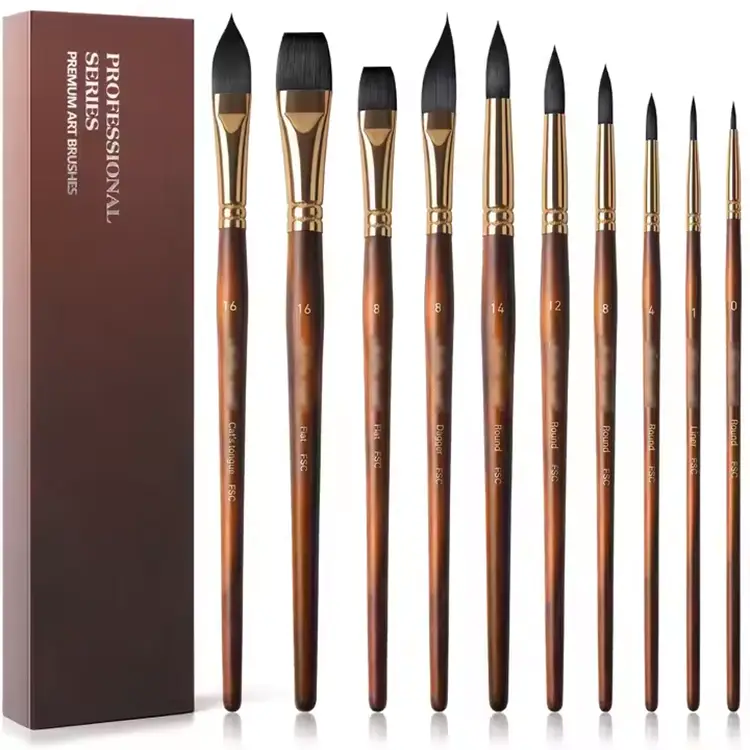
A synthetic paint brush is a painting tool manufactured using artificial filaments instead of natural animal hair. These synthetic filaments are commonly made from nylon, polyester, PBT, or blended polymer materials engineered to deliver consistent painting performance.
Unlike natural bristles that absorb moisture and may lose shape over time, synthetic fibers are designed to resist chemicals, maintain flexibility, and provide smoother paint release. This makes them ideal for water-based paints, acrylic coatings, latex finishes, stains, varnishes, and industrial coatings.
Modern synthetic paint brushes are widely used by:
The performance of a synthetic paint brush heavily depends on the filament material. Different synthetic fibers provide different levels of stiffness, paint retention, flexibility, and durability.
| Material | Main Features | Best Applications |
|---|---|---|
| Nylon | Flexible, smooth finish, durable | Fine painting and trim work |
| Polyester | Stiff structure, excellent control | Heavy coatings and rough surfaces |
| PBT Fiber | Chemical resistance and shape retention | Industrial painting |
| Blended Filaments | Balanced flexibility and stiffness | General-purpose use |
Manufacturers often combine multiple filament types to optimize brush performance for specific applications.
Synthetic paint brushes provide multiple advantages that help professionals achieve consistent, efficient, and high-quality painting results.
Synthetic fibers resist water absorption, which helps brushes maintain their original shape even after repeated use with water-based coatings.
High-quality synthetic filaments resist wear, bending, and breakage better than many natural alternatives.
Modern synthetic brushes distribute paint evenly, reducing visible brush marks and improving finish quality.
Synthetic brushes are easier to wash and dry, helping users save maintenance time.
Since they do not rely on animal hair, synthetic brushes provide a more sustainable and cruelty-free solution.
Synthetic paint brushes are available in multiple styles to suit different painting tasks.
| Brush Type | Characteristics | Typical Use |
|---|---|---|
| Flat Brush | Wide coverage area | Walls and furniture |
| Angle Brush | Precision cutting edges | Corners and trim |
| Round Brush | Detailed control | Artistic painting |
| Fan Brush | Soft texture blending | Decorative effects |
| Wall Brush | Large paint capacity | Construction painting |
Synthetic paint brushes support a wide range of industries and applications.
Homeowners use synthetic brushes for wall painting, furniture restoration, cabinet coating, and decorative finishing.
Factories rely on synthetic brushes for machinery coating, corrosion protection, and precision industrial finishes.
Synthetic brushes help technicians apply primers, sealers, and specialty coatings smoothly.
Artists value synthetic brushes because they provide fine detail control while maintaining softness and resilience.
Moisture-resistant synthetic fibers perform exceptionally well in humid or outdoor environments.
| Feature | Synthetic Brush | Natural Bristle Brush |
|---|---|---|
| Water Resistance | Excellent | Moderate |
| Durability | High | Medium |
| Cleaning | Easy | More difficult |
| Cost Efficiency | Excellent | Higher cost |
| Best Paint Compatibility | Water-based paints | Oil-based paints |
Although natural brushes still have niche applications, synthetic paint brushes dominate modern coating systems because of their adaptability and consistent quality.
Selecting the correct brush significantly impacts painting efficiency and finish quality.
Rough surfaces need thicker and stronger bristles, while smooth surfaces require softer fibers for fine finishes.
Ergonomic handles reduce fatigue during long painting sessions.
Higher filament density improves paint retention and reduces streaking.
A high-quality ferrule, secure adhesive bonding, and uniform bristle alignment improve overall durability.
Proper maintenance extends brush lifespan and preserves painting performance.
Failure to clean brushes properly may cause hardened paint buildup, reduced flexibility, and uneven application results.
Many painting problems originate from incorrect brush handling rather than poor paint quality.
Understanding these common mistakes helps users achieve cleaner, more professional painting outcomes.
Modern brush manufacturing technologies continue to improve product performance.
Manufacturers now create tapered and flagged filament tips that improve paint pickup and release.
New synthetic polymers resist aggressive industrial solvents and specialty coatings.
Sustainable manufacturing processes reduce waste and energy consumption.
Innovative handle structures improve grip comfort and painting precision.
Global demand for synthetic paint brushes continues to rise because of several important trends:
As coating technologies evolve, synthetic paint brushes remain highly adaptable to changing market requirements.
A dependable supplier plays a critical role in ensuring stable brush quality, consistent delivery, and long-term product reliability.
Professional manufacturers like Ningbo Phyno Import&Export Co., Ltd. focus on strict production standards, material selection, and quality control systems to support distributors, wholesalers, and industrial buyers worldwide.
Reliable suppliers usually provide:
Choosing an experienced manufacturer can significantly improve product consistency and customer satisfaction.
Yes. Although synthetic brushes are especially effective with water-based coatings, many high-quality synthetic brushes also perform well with oil-based paints and varnishes.
With proper cleaning and storage, premium synthetic brushes can remain effective for years.
Modern synthetic filaments are engineered for smooth paint release and even coating distribution.
Many synthetic brushes reduce reliance on animal-derived materials and are increasingly manufactured using sustainable production methods.
Large flat brushes between 3 and 5 inches are commonly recommended for wall surfaces because they provide better coverage efficiency.
Synthetic paint brush products have transformed modern painting by offering durability, precision, efficiency, and excellent compatibility with advanced coating systems. Whether used for residential decoration, industrial manufacturing, automotive refinishing, or creative artwork, synthetic brushes continue to provide reliable performance across diverse applications.
As technology evolves and environmental standards improve, synthetic paint brushes are expected to become even more efficient and sustainable. Choosing the right brush, maintaining it properly, and partnering with an experienced supplier are essential steps toward achieving professional-quality results.
Ningbo Phyno Import&Export Co., Ltd. provides reliable synthetic paint brush products designed for professional and industrial applications worldwide.
Contact us today to discuss customized solutions, wholesale cooperation, and long-term business opportunities.