Why Cotton Stretched Canvas Has Become The First Choice For Art Studio Or Art Experience Classes?
2025-12-07
100% cotton stretched canvas has become popular art material in many art studio or art experience classes. The reason is from measurable differences in texture, absorption, and performance that directly influence how rookie paint and how their final work looks. Rather than for trends or marketing purpose. We Ningbo Phyno as stretched canvas manufacturing vendor with rich experience in product. Let's explain with you why cause this situation at the moment.
Good Absorption
Pure cotton fibers create a softer surface that responds immediately to brush pressure. When students use acrylic paint, the surface pulls the pigment in at a steady rate. Tests in several studios show that cotton absorbs paint approximately 15–25% more evenly than synthetic fibers. This means beginners can place a stroke without slipping or leaving uneven patches, which reduces frustration and improves success rates in the first 10 minutes of painting. For experience classes, this difference matters because students often decide whether painting is enjoyable within their first few strokes. Color presentation also changes noticeably on cotton. Because the material absorbs water and pigment at a natural pace, mixed colors settle into the surface instead of floating on top, producing softer transitions and more stable edges. Studios that switched to cotton have reported fewer complaints about streaks or “plastic-looking” color, an issue more common with polyester painting canvas.
Better Quality
Cotton stretched canvas fits a wide range of lesson types. In practice, one canvas material must work for abstract art, floral themes, landscape sessions, texture art, and palette-knife exercises. Cotton holds up well to scraping, layering, and repeated corrections. Even when students press heavily with a knife or build thick acrylic textures, the surface rarely tears. This durability lowers material waste and keeps replacement rates predictable.
Visual Effect
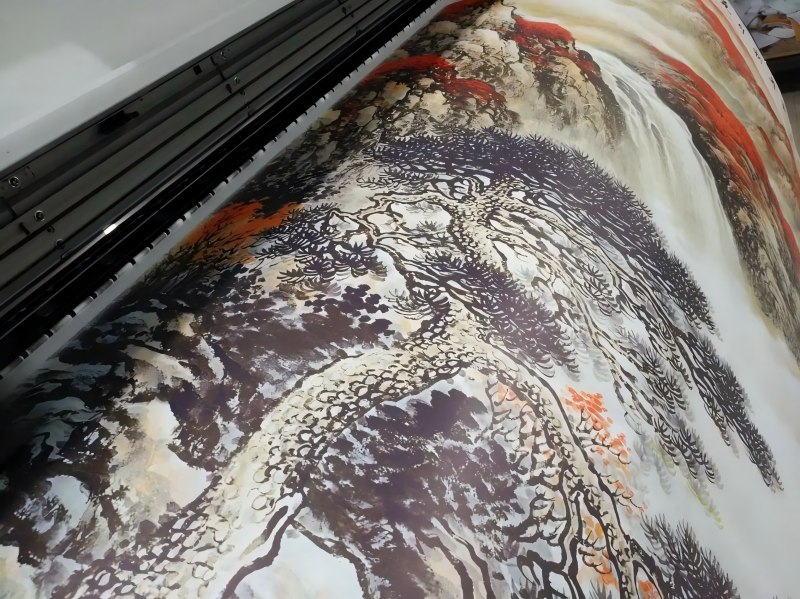
Another reason cotton is preferred is its visual effect. The natural fiber pattern produces a fine grain that resembles traditional oil painting surfaces. When students finish their work, the piece looks more like a completed artwork and less like a practice exercise. Experience-based studios rely heavily on social media posts from their students, and cotton canvases consistently produce photos with clearer texture and better color depth.
Cost-Saving
Cost is also straightforward to evaluate. Although cotton canvases cost more than polyester versions, studios often find that the total cost per student decreases. With cotton, fewer canvases are discarded due to mistakes, and students are more satisfied with the results on the first attempt. Higher satisfaction increases return booking rates, which offsets the small price difference in raw materials.
Cotton is also a natural fiber, which makes it suitable for children’s classes and family workshops. Parents prefer materials without synthetic odor, and cotton meets that requirement without additional treatment.
These factors together explain why pure cotton stretched canvas has become the first choice for art experience programs. It offers better control, more natural color, broader compatibility with different techniques, and a finished look that encourages students to return. For any studio that wants predictable teaching outcomes and consistent artwork quality, cotton painting canvas provides clear and measurable advantages.
We use cookies to offer you a better browsing experience, analyze site traffic and personalize content. By using this site, you agree to our use of cookies.
Privacy Policy