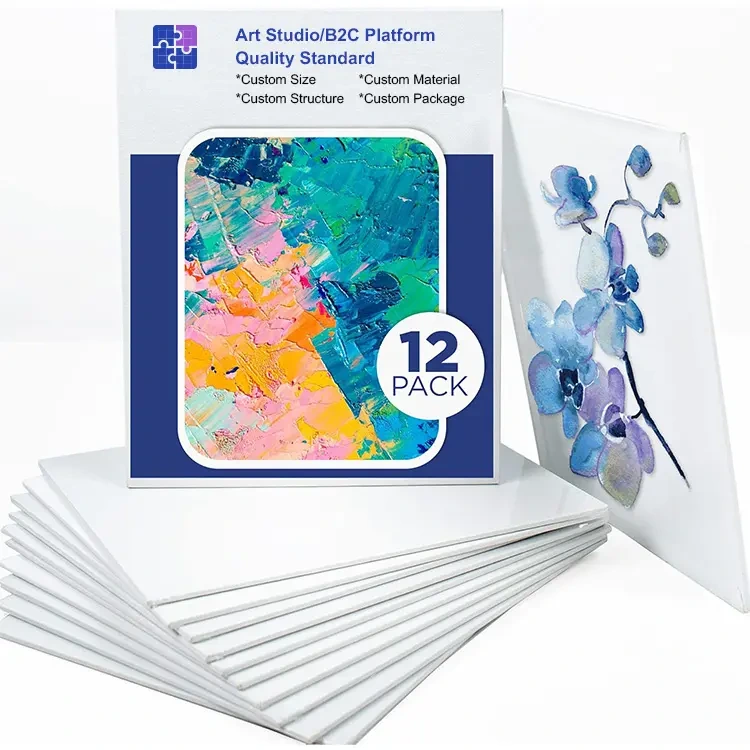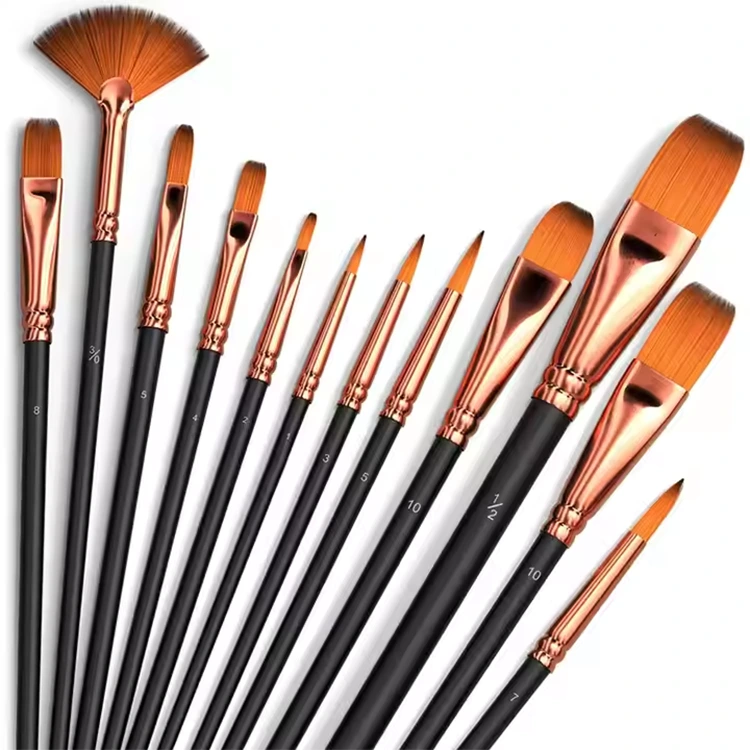

The Sable Paint Brush has been used in fine art for over two hundred years, not because of tradition, but because its physical structure delivers results that other materials cannot match. Sable hair, especially Kolinsky sable, comes from the tail of the weasel species and has a natural taper from base to tip. This taper creates a point that returns to shape after every stroke, even when the brush is fully loaded with paint. As paint brush manufacturing vendor, we can custom any material and size for your order. Also we can help custom your logo on barrel. Welcome contact us if you have any inquiry.
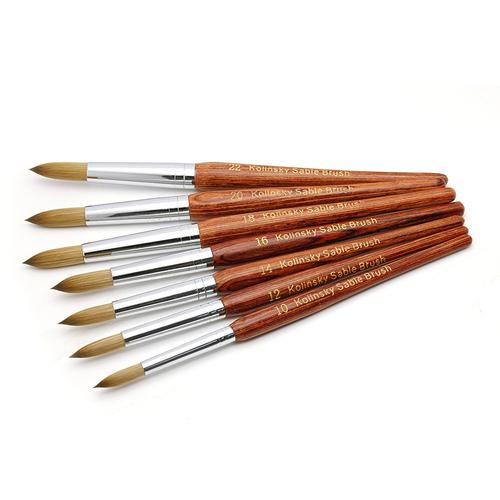
One clear advantage of a Sable Paint Brush is its ability to hold liquid. Under controlled testing, a sable brush of the same size holds up to 40% more water or diluted pigment than synthetic fibers. This allows artists to paint longer lines without reloading, which is essential in watercolor, ink, and fine acrylic work. Fewer reloads mean fewer interruptions, and that directly improves line consistency and accuracy.
Control is where sable brushes outperform all alternatives. Each hair has microscopic scales that pull liquid into the body of the brush while keeping the tip sharp. When pressure is applied, the hairs spread evenly and return to a fine point when lifted. This behavior allows artists to move from a broad wash to a hairline stroke in a single motion. In practical classroom use, students achieve stable line control 30–50% faster with sable brushes compared to nylon brushes.
Another advantage is surface contact. Sable hair is soft enough to glide over paper or primed canvas without scratching or lifting previous layers. This makes it suitable for glazing techniques, detail work, and layered watercolor painting. On hot-pressed watercolor paper, sable brushes produce smoother gradients with fewer visible breaks in pigment. Artists who work in botanical illustration or portrait detail rely on this quality to avoid damaging the surface.
Durability is often misunderstood. While sable brushes require careful cleaning, their working lifespan is long when maintained properly. Professional painters commonly use the same sable brush for two to five years of regular studio work. Synthetic brushes used under the same conditions often lose their point within weeks. The cost difference becomes less significant when measured over time rather than per unit.
Sable brushes also respond predictably to paint flow. They release pigment gradually instead of dumping it all at once. This steady release reduces blooms and backruns in watercolor and prevents sudden pooling in ink work. Artists who paint controlled washes consistently report fewer corrections when using sable hair.
In fine detail painting, accuracy matters more than speed. The Sable Paint Brush allows artists to place pigment exactly where intended, with minimal correction. This precision reduces overpainting, preserves paper quality, and shortens total working time on detailed pieces.
In conclusion, the advantages of sable hair brushes are measurable and practical. A Sable Paint Brush holds more liquid, forms a sharper point, responds evenly to pressure, protects the painting surface, and lasts longer when properly maintained. These characteristics explain why sable brushes remain the first choice for artists who demand control and precision rather than shortcuts.